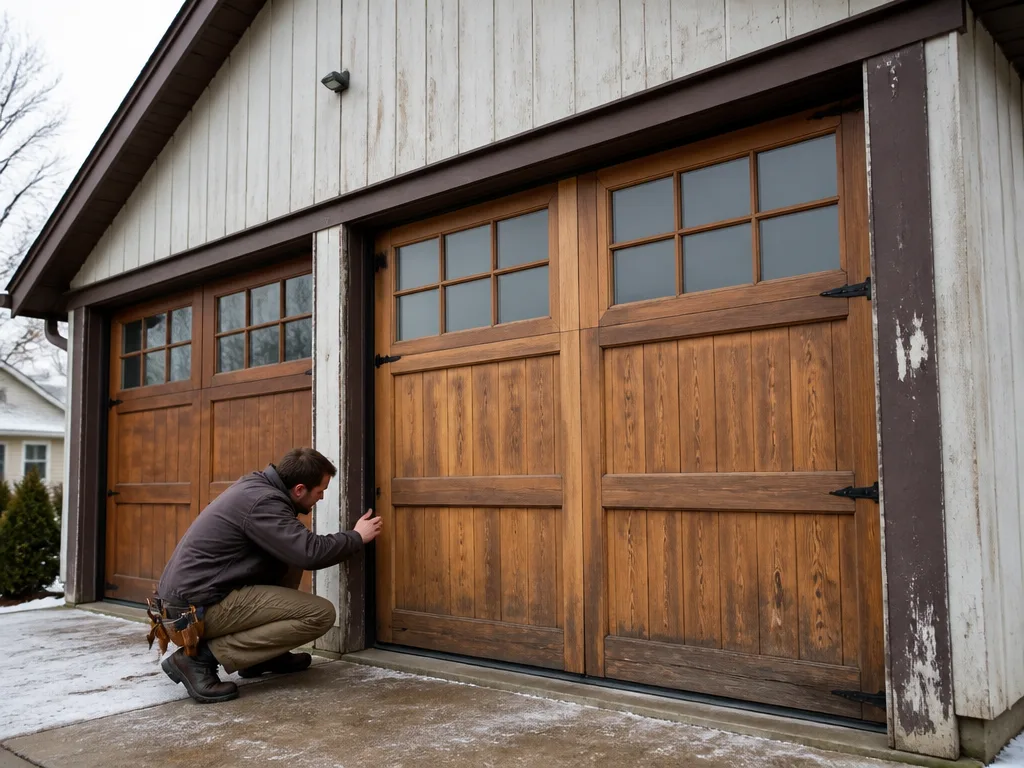
Wood species sets the starting point
Walk into a lumber yard in Ohio and you will see a few common choices. Cedar, Douglas fir, pine, and mahogany each carry a different price before anyone measures the opening. Cedar resists moisture and warping well, which is why many homeowners across Ohio lean toward it. Pine is usually the least expensive lumber, but it needs more upkeep to stay flat and sealed.
Species also changes weight. A heavier hardwood door puts more load on the springs, the opener, and the tracks. That pushes the job toward heavier-duty hardware, and that adds to the total.
Density and grain matter for hardware too. Hinges and brackets need solid anchoring, so our team may need to add reinforcement blocks inside some panels before mounting anything.
Construction and insulation change the math
Solid wood panels are the traditional build. Plenty of Ohio homeowners choose insulated wood doors instead, with a foam core bonded between a wood skin and a backing layer. Those cost more up front, but they can make the garage noticeably warmer in January and cooler in July, especially when the room behind it is heated.
Panel style adds labor
- Flush panels with a single wood skin cost less to build.
- Raised or carriage-house overlay panels take more cutting and more material.
- Layered designs with decorative trim add finishing time that shows up on the invoice.
Carriage-house styles with faux hinges and wrought iron handles look great on a colonial on a quiet street or a farmhouse out in the country. The decorative hardware still adds to the bill, so decide early whether the look is worth it to you.
Size, sections, and windows
A single-car door in a standard opening costs less than a double-wide. Width matters more than height for most wood doors because wider panels bow over time and need more internal support. Sections count too. A three-section door with glass inserts includes more seals, more alignment work, and more hardware than a solid one-piece design.
Windows deserve a closer look. Glass gives you natural light, but each insert needs proper framing and weatherstripping. If the glass sits too close to the top edge, the framing may need reinforcement to handle the door's weight in cold weather.
Before you settle on a size, measure the opening at three points: top, middle, and bottom. Walls and headers in older Ohio homes are rarely perfectly square, and that difference changes which door will fit cleanly.
Hardware, springs, and the opener
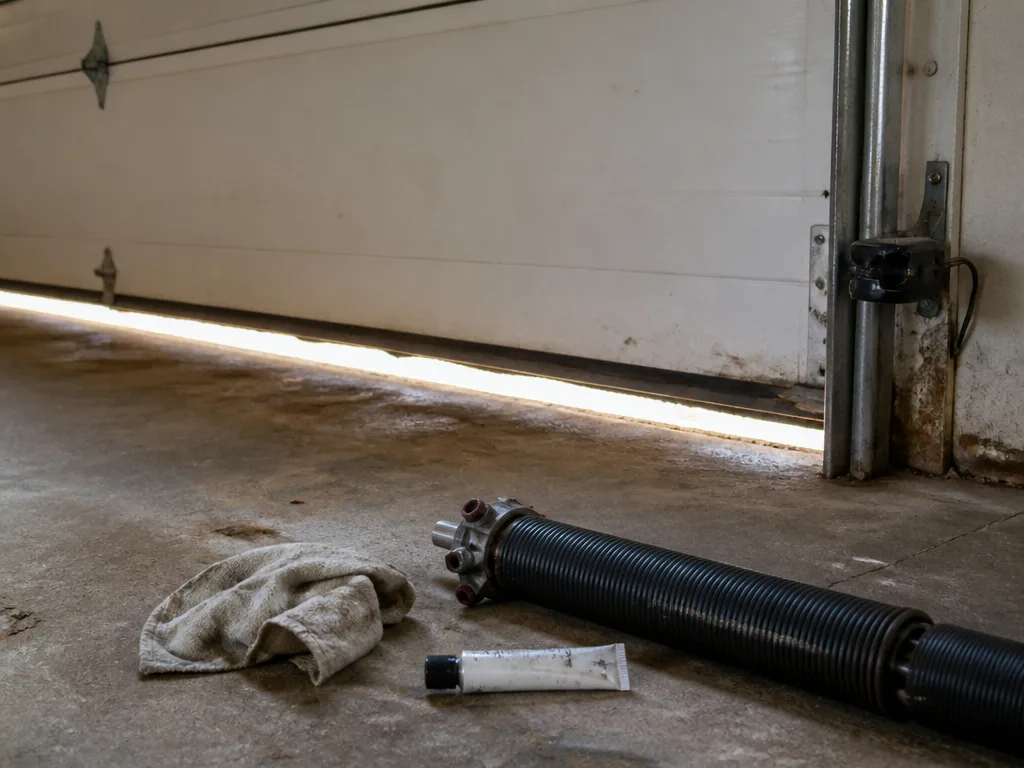
Springs are where wood doors often catch people off guard. Heavy wood needs properly sized torsion springs, and the right size depends on the door's final weight and its cycle rating. Choosing a lighter door does not always save money if the springs have to be upgraded anyway.
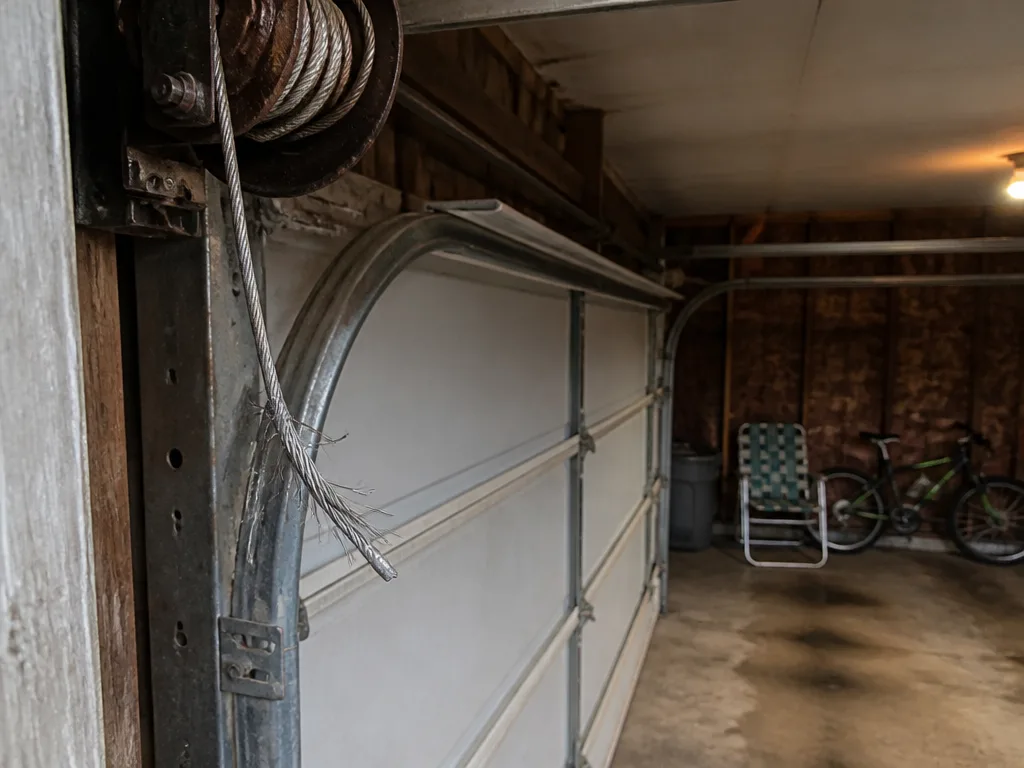
Rollers, tracks, and the opener follow. Ball-bearing rollers run quieter and hold up better than nylon on heavy wood, though they cost a bit more. An opener rated for the door's weight matters too. An undersized opener strains and wears out early.
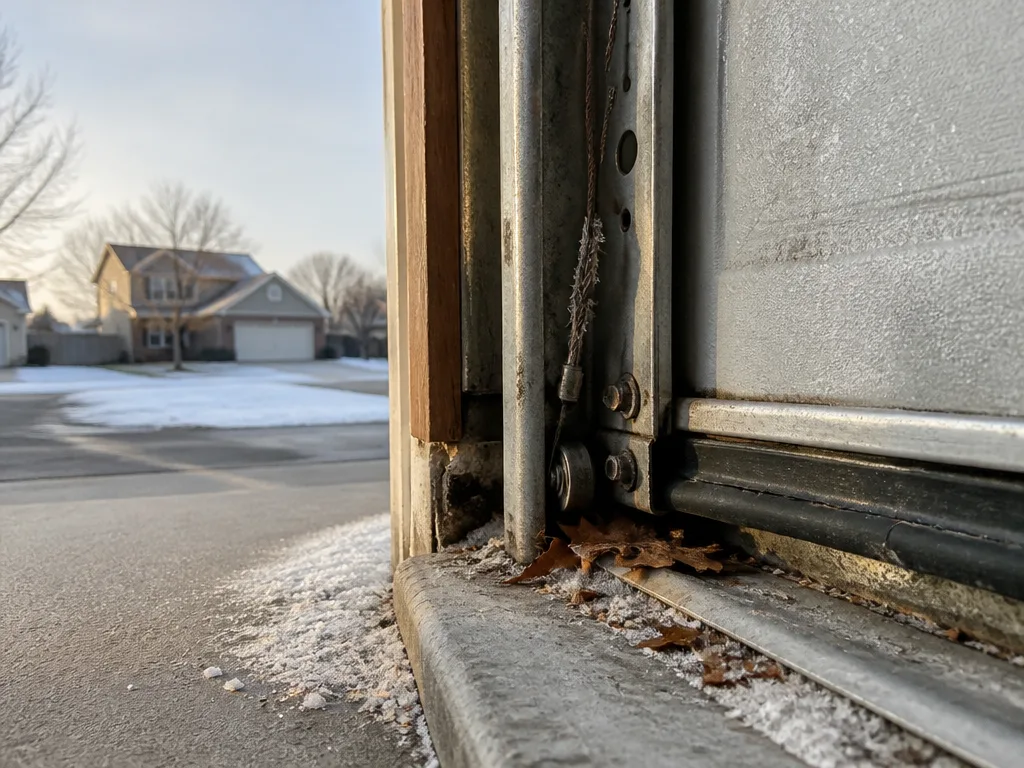
Ohio winters put extra stress on hardware. Cold snaps stiffen lubricant and make springs more brittle over the years. A crew may recommend a different lubricant or spring grade than a homeowner in a milder climate would need, so ask what they plan to use and why.
Condition, rot, and the age of the door
The biggest swing factor is what is already wrong. A door with surface checking and a fresh coat of stain is a very different job from one with soft rot at the bottom rail or panels that have pulled loose from the stiles. Replacing a bottom seal, repairing a rotted section, or re-squaring a racked frame all add labor.
Age matters too. An older wood door may have hardware that has worn into weak wood. Replacing a single panel might mean finding matching lumber, and that search takes time.
Moisture causes most of the trouble. Lake-effect snow, spring rain, and humid summers all push water into end grain, especially at the bottom edge. Sealing the top and bottom edges and keeping the finish fresh slows the damage down. Routine care costs a lot less than rebuilding a panel later.
Installation and access
Where the door goes matters. A standard opening with clear headroom and straight walls is simpler than a garage with low ceilings, a sloped drive, or a previous door that was framed oddly. Crews sometimes need to add bracing or adjust the header to carry the new weight.
Access counts as well. If the garage is tight and the old door has to come out in pieces, removal takes longer. Clear the area, move vehicles out of the way, and tell us about any quirks in the framing before the team arrives.
Finish work is a choice. Staining or painting on site adds time, and so does a custom color match. Some homeowners prefer to prime and finish the door before installation, which can simplify the day considerably.
How to decide what fits your garage
Start with your goal. If the door is mainly for looks and you plan to stay put for years, a solid or insulated wood door with quality hardware can be a good long-term choice. If you need a working door on a tighter budget, a flush-panel design with sensible hardware may do the job well.
Ask the crew what they would change and why. Good questions include: which species suits your exposure, whether insulation makes sense for the room behind the door, and whether the springs match the final weight.
Garage Door Repair North Ridgeville serves homeowners all over Ohio, from older neighborhoods to newer subdivisions. Our garage door technicians can walk you through these factors on the phone and help you narrow down the options. Call us when you are ready to talk through your door, wherever you are in the state.